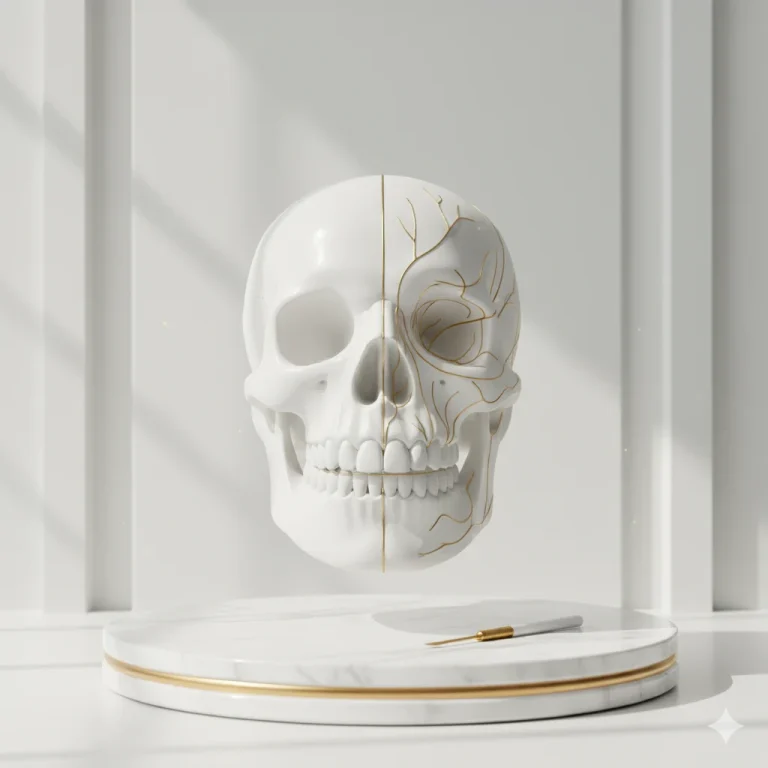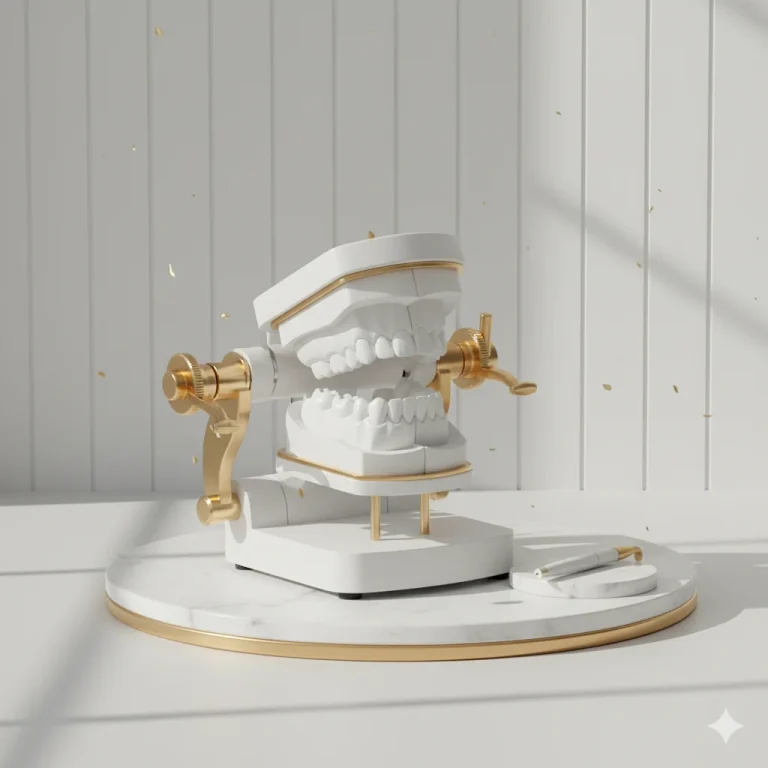


Bone and soft tissue loss in the oral-maxillofacial region can occur as a result of trauma, tumor resection, congenital anomalies, or advanced infections. The goal of reconstructive surgery is not simply to "replace" missing tissue; chewing, speaking, swallowing, breathing basic functions such as and facial aesthetics to return it as a whole to its most natural state possible.
At Valinor Dental Clinic this process; CBCT and MRI-based 3D planning, virtual surgical simulation (VSP), patient-specific cutting guides, 3D printed titanium/mesh solutions and microsurgery It is executed with. The target is; respectful of biology, predictable, aesthetic and functional is the result.
The Backbone of Reconstruction in Valinor
- Evaluation: Type of defect (bone/soft tissue/composite), occlusion, smile line, lip-nose support, speech-swallowing and airway evaluation.
- Timing: Primer (in the same session as resection) or secondary (after recovery/radiotherapy).
- Planning: Combination of CBCT + intraoral scan + facial scan data; patient-specific cutting guides and/or titanium plate/implant design.
- Surgical principles: Atraumatic osteotomy (piezoelectric), stable osteosynthesis, tension-free soft tissue closure, healing support with PRF, meticulous hemostasis in microsurgical anastomoses.
- Rehabilitation: Early physiotherapy, speech-swallowing therapy, implant/prosthesis at the appropriate time and smile reconstruction.
Post-Traumatic Reconstructions
Aim: To correct malunion, nonunion, bone/tooth loss, orbital floor collapse, soft tissue defects and facial asymmetry.
- Bone-oriented: Secondary osteotomies, asymmetry corrections, 3D plaque Realignment with bone grafts/GBR in depressed areas.
- Orbita/zygoma: Titanium/resorbable mesh for orbital floor–medial wall; corrects diplopia and diplopia.
- Soft tissue: Scar revision, tissue transfer (local/regional flaps), microsurgical flaps when necessary.
- Valinor approach: With virtual surgery pre-targeted occlusion and facial contour, is applied millimetrically with patient-specific guides during the operation.
Post-Resection Defect Repairs
Indication: Segmental maxilla-mandible losses due to causes such as tumor/osteomyelitis/necrosis.
- Classification and strategy: In mandibular segment losses, a “bone-first” approach and in the maxilla (especially the hard palate/lateral wall), a “function-first” approach are used; speech, swallowing, lip/nose support are planned together.
- Primary vs. secondary: In cases where oncological margin security can be achieved primary reconstruction It is superior in function and aesthetics.
- Valinor approach: Patient-specific titanium reconstruction plates And cutting guides Flap geometry is determined in advance; if possible, in the early period implant planning is integrated.
Microsurgical Flaps (General)
Microsurgical flaps, to its own vascular pedicle It is the transportation of tissue packages with anastomosis to the recipient vessels under a microscope.
- Advantage: In one session blood-supplied bone + soft tissue transfer; gold standard for large defects.
- Follow-up: Clinic-doppler monitoring, early management of venous stasis/thrombosis.
- Valinor: Experienced microsurgery team, standardized anastomosis and monitoring protocols.
Fibula Free Flap (Osteocutaneous)
Indication: Long segment mandible losses (symphysis-corpus-angulus), multi-segment reconstruction, early implant rehabilitation.
- Planning: Donor leg vascular mapping; virtual osteotomy and multi-segment design with compliance with the mandible curve.
- Advantage: 20+ cm bone length, suitability for multiple osteotomies, high cortical bone Implant stability with; intraoral lining with skin island if necessary.
- Disadvantage: Minimal morbidity around the ankle; caution is advised for vascular variation.
- Valinor: CAD/CAM cutting guides + patient-specific titanium plates; if necessary immediate/early implant integration and rapid social return with temporary prosthesis.
Radial Forearm Free Flap (Fasciocutaneous)
Indication: Defects in the tongue, base, cheek, and palate that require thin and flexible soft tissue; cases where speech and swallowing function are the priority.
- Advantage: Very thin, malleable tissue; long pedicle; mucosa-like surface.
- Disadvantage: Cosmetic/sensory scarring in the donor area is minimized with appropriate closure.
- Valinor: With fine texture articulation and mobility Design focused on protection; volume support with combined bone graft/mesh if necessary.
Iliac Crest Graft (Vascularized / Non-vascularized)
Indication: Those who want high vertical height and natural alveolar line mandible/maxilla reconstructions.
- Vascularized iliac flap: Living bone transfer in large composite defects; appropriate bone height for implant.
- Non-vascularized block graft: In medium-limited horizontal/vertical defects, it can be combined with GBR.
- Valinor: Surgery that reduces donor site morbidity, screw-membrane Stable fixation and tension-free soft tissue closure.
Scapula Flap (Osteocutaneous/Chimeric)
Indication: Maxilla and versatility in zygomatic complex reconstructions; composite defects requiring a combination of soft tissue and bone.
- Advantage: Chimeric structure capable of carrying multiple tissue islands with a single pedicle; natural imitation of the facial contour.
- Disadvantage: Positioning logistics requires an experienced team.
- Valinor: 3D plan orbit–zygomatic–maxilla Aesthetically focused chimeric designs that re-establish the relationship.
Jaw Prosthetics (Patient-Specific Alloplastic Solutions)
Scope: Segmental mandible losses, contour corrections, reconstructions combined with TMJ.
- PSI (patient-specific implant): According to 3D data patient-specific titanium implant/mesh/reconstruction plate production.
- Indication: High risk beds where the flap is not suitable, secondary contour correction is required, and post-radiotherapy.
- Valinor: Designing the PSI according to the prosthesis/implant plan; screw positions and soft tissue profile is considered from the very beginning.
Obturator Prosthesis (Post Maxillectomy)
Aim: Hard/soft palate defects speech, swallowing and nose-mouth isolation to ensure.
- Stages: Surgical obturator (immediately), temporary shutter (during the recovery period), definitive shutter (when the wounds mature).
- Implant-supported obturator: Retention and function are increased; especially superior in large defects.
- Valinor: Rapid delivery with clinic-laboratory integration; phonetic-swallowing tests and regular revision.
Mandibular Prosthetics
Scope: Reconstruction plates, patient-specific contour implants, and total reconstruction combined with TMJ in segmental losses.
- Aim: Restoration of occlusion and lower facial height; lip-chin line aesthetics.
- Valinor: Compatibility with PSI + virtual occlusal targets; design ready for prosthesis and implant integration.
Maxillary Prosthetics
Scope: Reconstruction of the maxillary lateral wall, alveolus, infraorbital rim and midface support.
- Tools: Titanium mesh/PSI, subperiosteal patient-specific implants (selected), orbital floor repair as needed.
- Valinor: Nose-upper lip-cheek support smile aesthetics should be planned accordingly; it should be considered together with speech and swallowing functions.
Bone Grafting and GBR Integration
In conjunction with large flaps or in secondary corrections particle graft + membrane (GBR), block graft, tenting techniques are used.
- Valinor: Membrane fixation pins, tension-free closure, and PRF accelerate soft tissue healing and reduce the risk of early exposure.
Digital Planning, Guidance and 3D Production
- VSP: Digital measurement of the defect; flap osteotomy angles, segment lengths, occlusion target.
- Guides: In the donor area and the recipient area cutting guides; reduces intraoperative time and margin of error.
- 3D printing: Patient-specific plate/mesh/implant and model production; allows the surgery to become a “rehearsal.”.
- Valinor: Surgical and prosthetic plan same digital file full integration through which it proceeds.
Rehabilitation and Recovery
- Physiotherapy: Jaw opening, lateral movements, swallowing-speaking exercises; TMJ preservation.
- Nutrition: Gradual dietary protocol, wound/graft protection.
- Prosthetic phase: Timely loading of implants; smile design Completion of aesthetics with.
- Follow-up: Regular clinical-radiological control; occlusion and hygiene management.
Complication Management
- Flap circulation problems: Early diagnosis and revision algorithm.
- Plate/mesh exposure: Soft tissue thickening, reclosure if necessary.
- Fistula/encephaly: Good drainage, surgical closure if necessary.
- Donor site morbidity: Preventive suturing and immobilization; physiotherapy.
- Valinor: Standardized protocols and rapid response teams.
Reconstruction at Valinor Dental Clinic; scientific accuracy, advanced technology and classical elegance The goal is not just to replace the missing piece; natural functions, the character of the face and the elegance of the smile is to bring it back together.
Every plan; predictable, personalized and long-lasting serves an end.
Reconstructive Maxillofacial Surgery Frequently Asked Questions (FAQ)
1. What is reconstructive maxillofacial surgery?
It is the aesthetic and functional reconstruction of bone and soft tissues lost after trauma, tumor/cyst resection or congenital anomalies.
2. In which cases is reconstructive surgery needed?
Facial/jaw fractures, large cyst/tumor removals, congenital defects, deformities after previous surgery, and radiation sequelae.
3. Is the purpose merely aesthetic?
No. The primary goal is to restore functions such as chewing, speaking, swallowing, and breathing.
4. How is reconstruction planned?
With 3D imaging (CBCT), digital planning, surgical guides and virtual surgical simulation if necessary.
5. What is a microsurgical flap?
It is the process of taking tissue with its vessels from another part of the body (e.g. fibula) and anastomosis it to the new region under a microscope.
6. Free flap or pedicled flap?
Depending on the location/size of the defect and the target function, free microsurgical flaps are generally preferred in cases of extensive bone loss.
7. Why is the fibula free flap used frequently?
It provides long, strong bone; it can be shaped to the jaw form; it is suitable for dental implants in the future.
8. What is the radial forearm flap used for?
It is a flexible and reliable option for repairing thin-porous tissues such as the oral soft tissue and the base of the tongue.
9. What does an iliac crest (hip) graft provide?
It offers a strong option when thick and bulky bone support is required (mandible/maxilla defects).
10. What advantage does the scapula flap provide?
It provides a combination of bone and soft tissue of varying thicknesses; it is useful in facial midline and maxilla reconstructions.
11. What is the difference between a graft and a flap?
The graft is transported without vascular connection; the flap is transported with its vessels and sewn to the new vessels (microsurgery).
12. In which cases is bone grafting alone sufficient?
In small/medium sized bone losses, if soft tissue is sufficient and blood supply is appropriate.
13. When is a free microsurgical flap required?
In large composite defects (bone + soft tissue + skin), irradiated areas, lip/tongue/cheek-floor combinations.
14. Is it necessary to use 3D patient-specific plates and guides?
Improves accuracy and operative time in large asymmetries and segmented fibula contouring.
15. When is dental implants planned for reconstruction?
It is usually planned after bone healing (4–9 months); in some cases, it can be planned in the same session or earlier.
16. Is the fibula bone suitable for implants?
Yes. The fibula is suitable for implant stability thanks to its cortical structure.
17. What is a shutter?
It is a special prosthesis that closes the opening in maxilla (palate) defects and improves speech and swallowing.
18. Obturator or microsurgical reconstruction?
The choice is based on defect size, radiation history, patient preference, and implant goals; for larger defects, a flap may be superior.
19. Is reconstruction possible in patients who have received radiotherapy?
Yes. Success can be increased with good planning, hyperbaric oxygen, and microsurgical techniques.
20. How many hours does reconstructive surgery take?
Small grafts may take 1–2 hours; free flaps may take 6–12 hours.
21. How long is the hospital stay?
Grafts usually require 1–2 days of follow-up, while microsurgical flaps require 5–10 days of follow-up.
22. Are the post-operative scars visible?
The location of the incisions depends on the technique; most modern incisions are hidden within natural lines.
23. What is the success rate of microsurgical flaps?
Merkez ve ekibe göre değişir; günümüzde başarı oranları genellikle %90–98 arasındadır.
24. How is pain managed after reconstruction?
Comfort is provided with multimodal pain protocols, nerve block, and PCA pump when necessary.
25. When will eating and talking return to normal?
Recovery is expected within a few weeks for minor repairs and within a few months for major flaps with functional rehabilitation.
26. Is physical therapy/speech therapy necessary?
Yes. Jaw-opening exercises and language and speech therapies accelerate the recovery of function.
27. What is segmented fibula reconstruction?
The fibula bone is cut into 2-3 pieces, bent into the shape of the mandible, and fixed with plates.
28. Where is vascular anastomosis performed?
Generally, regional vessels such as facial, lingual, and superior thyroid are sutured end to end/side to side under a microscope.
29. Is there a risk of the graft not taking?
Yes; smoking, infection, inadequate blood supply and mobility increase the risk.
30. What is flap loss?
It is a condition in which the transported tissue cannot survive due to vascular clot/flow disturbance; it can be saved with early intervention.
31. What is the success rate of implants after reconstruction?
With proper planning and hygiene, success can be achieved with proportions close to natural bones.
32. Why is the waiting period for implants important?
For bone remodeling and flap stability; early loading may increase the risk.
33. What is the advantage of virtual surgery (VSP)?
Pre-planning of incisions and plates, reduction of surgery time, increase in aesthetic/occlusal accuracy.
34. How is the jaw relationship (occlusion) re-established?
With surgical splints, interocclusal records and orthodontic/surgical collaboration.
35. What should be done in case of loss of the mandible condyle region?
Costochondral graft, prosthetic condyle, or custom alloplastic joint reconstruction options are evaluated.
36. Which flaps work well in soft tissue insufficiency?
Radial forearm, anterolateral thigh (ALT), scapular/parascapular fasciocutaneous flaps.
37. What are the advantages of the ALT flap?
Large tissue area, long vascular pedicle and donor site comfort.
38. How is function preserved in oral cavity defects?
Speech/swallowing is rebalanced by restoring tongue movements, palate closure and lip contour.
39. Why is the mandible midline (symphysis) defect difficult?
Stability and aesthetic contour are sensitive due to lingual and muscular attachments; good results are obtained with segmented fibulas.
40. Why is maxilla reconstruction more complex?
Due to facial midline aesthetics, preservation of nasal resonance with speech/swallowing and orbital relations.
41. How are orbital/zygoma defects repaired?
With patient-specific titanium mesh, 3D plates, scapula/fibula segments and orbital volume restoration.
42. What is the goal of lip reconstruction?
The ability to close (orbicularis oris), saliva control, symmetry and preservation of sensation.
43. What will taste/speech be like after tongue reconstruction?
It depends on the defect size and flap type; with therapy, most patients return to intelligible speech.
44. How to prevent trismus (inability to open the mouth)?
Early passive-active opening exercises, jaw opening devices, and appropriate scar orientation.
45. What is post-radiation osteoradionecrosis?
Non-healing bone necrosis due to blood supply disorder in radiotherapy-treated bone; flap and debridement may be required.
46. Is hyperbaric oxygen therapy necessary?
It may be supportive in selected osteoradionecrosis and difficult-to-heal cases.
47. How do we reduce the risk of infection?
With preoperative oral hygiene, appropriate antibiotic prophylaxis, closure of dead spaces and stable fixation.
48. How long does the plate/screw stay in?
It is usually permanent and can be removed if discomfort or infection occurs.
49. Will there be problems with the donor area (leg/arm)?
The risk is low with early mobilization and physical therapy; correct patient selection is important.
50. How realistic are the aesthetic results?
With modern 3D planning and microsurgery, high patient satisfaction can be achieved in facial symmetry and contour.
51. How can speech be corrected in cases of palatal defects?
Velopharyngeal closure is improved with an obturator or flap; speech therapy is added.
52. What is the approach to combined nose-upper jaw defects?
Aesthetic/column support is established with composite flaps, patient-specific implants, and staged surgeries.
53. What is “immediate” reconstruction?
Reconstruction in the same session with tumor resection; single surgery, better tissue plans.
54. When is “Delayed” reconstruction chosen?
In cases where reconstruction is postponed due to oncology planning, radiation requirements, or risk of infection.
55. How to balance oncological safety with aesthetics/reconstruction?
Priority is given to oncological margins; the plan is made together with the oncology team, and the reconstruction is shaped accordingly.
56. Does smoking affect the success of reconstruction?
Yes, it causes vasoconstriction and wound healing problems. Complete cessation is recommended.
57. Are diabetes and vascular diseases risky?
Uncontrolled conditions increase the complication rate; preoperative optimization is required.
58. Is nutritional support necessary?
High protein/calorie and dietitian support are recommended for extensive reconstructions.
59. Is a nasogastric/PEG tube necessary?
Temporary nutritional support may be required for tongue-base/hypopharynx repairs.
60. How long does speech therapy take?
Depending on the size of the defect, regular follow-up over weeks or months increases success.
61. How to restore chewing function?
With occlusion plan, implant/prosthesis and muscle training exercises.
62. How to choose the type of implant-supported denture?
Fixed/mobile hybrid solutions based on bone volume, flap location, hygiene ability and aesthetic expectations.
63. How to correct soft tissue contours?
With debulking, lipofilling (fat transfer), scar revisions and thin fasciocutaneous flap adjustments.
64. Are asymmetry corrections possible?
Yes, with segmented osteotomy, patient-specific plates, and soft tissue adjustments.
65. Is guided surgery necessary for dental implants?
Provides strong advantage for accuracy in reconstructed bone.
66. Can nerve functions be preserved?
If nerve loss has occurred due to oncology/trauma, nerve grafting or neurolysis may be considered; sensation may improve over time.
67. Approach to lip commissure loss?
Mouth opening and closure are restored with local/tissue advancement techniques or free flaps.
68. Is it possible to cure drooling from the corner of the mouth?
It is reduced by commissure reconstruction and muscle reconstruction.
69. What should be done in case of total loss of the lower lip?
Combinations of contralateral lip tissue, carotid-perfused flaps, or free flaps.
70. How do floor of mouth defects affect tongue movement?
There may be some limitation in the initial period; mobility is increased with thin flaps and therapy.
71. Does eye collapse occur in maxillary lateral wall defects?
It is prevented by orbital floor/volume reconstruction.
72. Are smell/taste affected in combined nasal floor/palate defects?
Temporary change; largely improves with reconstruction and therapy.
73. How can contour be restored in cases of menton loss?
Natural contours are achieved with segmented fibula/iliac graft and soft tissue shaping.
74. Can the jawline be reconstructed?
Yes; aesthetic lines are achieved with 3D planning and contour-friendly plates.
75. What are “dual-bar” or “fixed hybrid” prostheses?
They are hybrid prosthesis systems that are fixed on full arch implants and are relatively easy to clean.
76. How is the number of implants determined?
Depending on bone volume, planned prosthesis type and occlusion forces, the number of implants may vary between 4 and 8.
77. Is there a risk of peri-implantitis at the graft/reconstruction site?
Hygiene difficulties increase the risk; professional care and regular follow-up are essential.
78. When are stitches removed?
Dissolvable stitches are generally used inside the mouth; skin stitches are removed in 5–10 days.
79. How long does swelling/bruising last?
It usually decreases significantly within 1–2 weeks.
80. Which medications should be stopped/adjusted?
Blood thinners and some immunosuppressives should be coordinated with relevant branches.
81. Smoking/alcohol after surgery?
It should definitely be avoided; it is harmful to tissue blood flow and healing.
82. What are the most common complications?
Wound dehiscence, infection, hematoma, flap circulation problems, scarring and malocclusion.
83. How are complications managed?
With early diagnosis, drainage/debridement, antibiotics and revision surgery if necessary.
84. Is psychological support necessary?
Psychosocial support and counseling are beneficial in facial reconstructions.
85. What is the return to work time?
Minor repairs 1–2 weeks; free flaps 4–8 weeks or more.
86. When do you do sports/exercise?
Light walking early; heavy exercises after 4–6 weeks and with physician approval.
87. Is sun/scar care important?
Yes, sun protection and scar creams are recommended for scars.
88. What is the hygiene protocol?
Chlorhexidine mouthwashes, soft brushing, irrigation and professional cleaning.
89. What are the nutritional recommendations?
High protein, adequate calories, vitamin-mineral support; planning with a dietitian.
90. Is long-term follow-up necessary?
Yes; for oncological control, implant/prosthesis care and function evaluations.
91. What if facial paralysis develops after reconstruction?
Nerve repair/graft, physiotherapy and recovery of function over time are targeted.
92. Will the sensation in the lower lip and chin return?
It may be partial; nerve repair and reinnervation may occur over time.
93. Is sleep apnea affected after reconstruction?
Dependent on oropharyngeal volume; airway is carefully assessed during planning.
94. What if the bone density is insufficient for the implant?
Alternatives such as additional augmentation, block graft or pterygoid/zygomatic implant.
95. What should be done if mouth opening is limited (trismus)?
Early exercise, splinting, physiotherapy and scar release if necessary.
96. What if jaw deviation/asymmetry remains?
It can be corrected with staged osteotomies, soft tissue revisions, and occlusal adjustments.
97. What does the cost of reconstruction depend on?
Defect size, flap/graft selection, 3D materials and number of stages.
98. Is there a risk of anesthesia?
As with any major surgery, risks are minimized with preoperative evaluation.
99. What are the factors that increase success?
Experienced team, correct indication, smoke-free period, good hygiene and regular follow-up.
100. What is “ideal timing”?
Once oncological safety is clear and the patient's overall condition is optimized—immediate recon is superior in many cases.
Site contents are for informational purposes only and do not constitute advice.